
Variable Capital Company (VCC)
The Variable Capital Company (VCC) is an investment fund structure that complements the range of investment fund options in Singapore.
What is a Variable Capital Company (VCC)?
The Variable Capital Company (VCC) represents a new investment fund structure introduced under the Variable Capital Companies Act, effective from January 14, 2020. This new structure adds to the range of investment fund options available in Singapore.
The VCC Act and its related regulations are overseen by the Accounting and Corporate Regulatory Authority (ACRA). All VCCs must be managed by an authorized fund manager. Compliance with anti-money laundering and counter-terrorism financing regulations for VCCs falls under the jurisdiction of the Monetary Authority of Singapore (MAS).
Key Characteristics of a VCC
- Flexible Capital Structure: The VCC features a variable capital structure that allows for flexible issuance and redemption of shares. It also permits dividend payments from capital, providing fund managers with greater flexibility in managing dividend distributions.
- Fund Structures: A VCC can operate as a single standalone fund or as an umbrella fund containing multiple sub-funds, each with its own distinct set of assets and liabilities. Umbrella VCCs may benefit from cost efficiencies by sharing service providers among the umbrella and its sub-funds.
- Fund Strategies: VCCs are suitable for both open-ended and closed-end fund strategies.
- Formation and Re-domiciliation: Fund managers can either establish new VCCs or transfer their existing international funds with similar structures to Singapore as VCCs.
- Shareholder Register: VCCs must maintain a register of shareholders, which is not publicly accessible but must be available to public authorities for regulatory, supervisory, and law enforcement purposes.
For additional information about the VCC framework, visit www.mas.gov.sg
About Lee & Hew:
Lee & Hew is an award-winning audit firm in Singapore with the global experience and deep industry expertise coupled with a responsive, helpful and personalized approach, ensures that we can help you and our clients meet the requirements of regulators, HQ, investors and through different types of complexities today, and as your company grows. Contact us now to find out more!
Resources
Resources & Articles
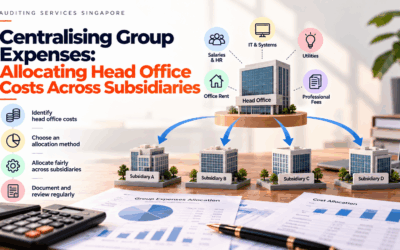
Centralising Group Expenses: Allocating Head Office Costs Across Subsidiaries
A growing group often brings finance, human resources, technology and administrative support into a central team. Subsidiaries gain access to shared resources, while head office coordinates systems and processes across the business. The operational case may be clear,...
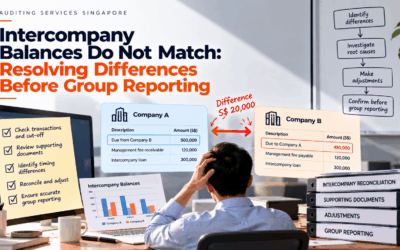
Intercompany Balances Do Not Match: Resolving Differences Before Group Reporting
The parent company records an amount due from a subsidiary, but the subsidiary reports a different amount payable. Both finance teams believe their records are correct. One points to invoices already issued, while the other refers to payments, disputed charges or...
Investment Holding Companies: How a Singapore Audit Firm Assesses Support for Investment Values
An investment holding company may have relatively few transactions during the year while carrying substantial investment balances. Shares acquired several years ago can remain among its largest assets, even as the underlying businesses experience changing margins,...